Unlocking the Secrets of Mood Stones: A Guide to Understanding Their Power
Introduction
Mood stones have captivated people for centuries, offering a fascinating intersection between science, spirituality, and personal wellness. These remarkable gemstones and crystals are believed to possess unique properties that can influence our emotional states, energy levels, and overall well-being. Whether you're a seasoned crystal enthusiast or a curious newcomer to the world of mood stones, understanding their secrets can open up new dimensions of self-awareness and personal growth.
The concept of mood stones extends far beyond simple superstition. Throughout history, various cultures have attributed healing and transformative properties to different stones and crystals. From ancient Egyptian civilizations to traditional Chinese medicine practitioners, the use of stones for emotional and physical healing has been documented across numerous societies. Today, modern wellness enthusiasts continue to explore and validate these ancient practices, blending traditional knowledge with contemporary understanding.
This comprehensive guide will take you on a journey through the world of mood stones, exploring their origins, properties, and practical applications. We'll examine the science behind these fascinating objects, discuss the most popular mood stones and their unique characteristics, and provide you with practical advice on how to incorporate them into your daily life for maximum benefit.
The History and Origins of Mood Stones
The use of stones for healing and emotional support dates back thousands of years. Archaeological evidence suggests that ancient civilizations recognized the power of certain minerals and gemstones long before modern science could explain their properties. In ancient Egypt, lapis lazuli was highly valued not only for its stunning blue color but also for its believed ability to enhance spiritual awareness and promote inner peace.
The Romans, too, were great believers in the power of gemstones. They created elaborate systems of correspondences between different stones and various aspects of health and emotion. Roman soldiers would carry specific stones into battle, believing they would provide courage and protection. This practice wasn't merely superstitious; it likely provided psychological benefits that enhanced their confidence and mental fortitude.
In traditional Chinese medicine, the use of jade and other stones has been central to healing practices for over 5,000 years. Jade was believed to promote balance and harmony within the body, and it was used in various forms of treatment and spiritual practice. The Chinese recognized that different colors of jade possessed different properties, a concept that remains relevant in modern mood stone practices.
The term "mood stone" as we know it today became popularized in the 1970s with the introduction of mood rings. These novelty items contained thermochromic liquid crystals that changed color based on body temperature, creating the illusion that the ring could reflect the wearer's emotional state. While the science behind mood rings is purely thermodynamic rather than mystical, they sparked widespread interest in the broader concept of stones reflecting and influencing mood.
Understanding the Science Behind Mood Stones
The power of mood stones operates on multiple levels, combining elements of geology, physics, and psychology. To truly understand how mood stones work, we need to examine each of these dimensions carefully.
The Geological Perspective
From a geological standpoint, mood stones are composed of specific mineral structures that possess unique vibrational frequencies. Every substance in the universe vibrates at a particular frequency, and crystals are no exception. The ordered, geometric structure of crystals means they vibrate in highly organized patterns, which some practitioners believe can interact with the human body's own vibrational frequency.
The concept of crystal vibrations isn't purely metaphysical. Quartz crystals, for example, are used extensively in modern technology because of their piezoelectric properties—they generate electrical charges when subjected to pressure. This scientific reality lends credibility to the idea that crystals might interact with our bodies in subtle but meaningful ways.
Different stones contain different mineral compositions, which result in different vibrational frequencies. Amethyst, for instance, contains iron impurities that give it its distinctive purple color and are believed to contribute to its calming properties. Rose quartz contains titanium, iron, and other elements that may contribute to its association with love and emotional healing.
The Psychological Dimension
Perhaps the most significant aspect of mood stones' effectiveness lies in the psychological realm. The human mind is extraordinarily powerful, and the placebo effect—the phenomenon where belief in a treatment causes actual physiological changes—is well-documented in scientific literature. When you hold a mood stone and believe it will calm you, your mind may actually trigger the release of calming neurotransmitters, creating a genuine physiological response.
This isn't to say that mood stones are "just" placebos. Rather, it acknowledges that the mind-body connection is real and powerful. If a mood stone helps you achieve a state of calm, focus, or emotional balance, the benefits are genuine, regardless of whether they stem from the stone's metaphysical properties or from your psychological response to it.
Color psychology also plays a role in how mood stones affect us. Different colors have been shown to influence mood and behavior. Blue promotes calmness and tranquility, green is associated with balance and healing, and red stimulates energy and passion. When you select a mood stone based on its color and intended properties, you're engaging with color psychology in a tangible way.
The Energetic Perspective
Many practitioners of alternative medicine and holistic wellness believe that mood stones work through energetic mechanisms. According to this perspective, all living things possess an energy field or aura, and stones can influence this field through their own energetic properties. While this concept isn't yet fully validated by mainstream science, it remains a central belief in many wellness traditions.
The chakra system, originating from Hindu and Buddhist traditions, provides a framework for understanding how different stones might influence various aspects of our being. Each of the seven main chakras is associated with specific colors, emotions, and physical functions. Practitioners believe that placing or wearing stones of corresponding colors can help balance and activate these energy centers.
The Most Powerful Mood Stones and Their Properties
Amethyst: The Stone of Tranquility
Amethyst stands as one of the most popular and widely used mood stones. This purple variety of quartz has been valued for centuries for its calming and protective properties. The color of amethyst ranges from pale lavender to deep purple, with deeper colors generally considered more potent.
Amethyst is believed to promote emotional balance, reduce anxiety, and enhance spiritual awareness. Many people keep amethyst in their bedrooms to promote restful sleep and peaceful dreams. The stone is also associated with clarity of thought and improved decision-making, making it valuable for those facing challenging situations.
The scientific explanation for amethyst's calming effects may relate to its color. Purple is a color associated with relaxation and spiritual contemplation. Additionally, amethyst's crystalline structure may produce subtle vibrational frequencies that the body responds to positively.
Rose Quartz: The Stone of Love and Compassion
Rose quartz, with its gentle pink hue, is universally recognized as the stone of love and emotional healing. This variety of quartz is believed to open the heart chakra, promoting self-love, compassion, and emotional healing. Many people carry rose quartz to enhance their relationships and foster deeper emotional connections.
Beyond romantic love, rose quartz is associated with self-acceptance and inner peace. It's particularly valuable for those working through emotional trauma or developing greater self-compassion. The stone's soft, nurturing energy makes it an excellent choice for meditation and emotional work.
Citrine: The Stone of Abundance and Positivity
Citrine, a golden-yellow variety of quartz, is known as the stone of abundance and manifestation. This vibrant stone is believed to attract prosperity, success, and positive energy. Many entrepreneurs and business professionals keep citrine in their workspaces to enhance creativity and attract financial success.
Beyond material abundance, citrine is associated with joy, optimism, and mental clarity. The stone's bright color naturally uplifts the mood, and its energetic properties are believed to dispel negativity and promote positive thinking.
Black Tourmaline: The Stone of Protection
Black tourmaline is a powerful protective stone, believed to shield against negative energy and electromagnetic radiation. This dark, crystalline stone is popular among those seeking to create energetic boundaries and protect their emotional well-being.
In our modern world, where we're constantly exposed to electronic devices and environmental stressors, black tourmaline has gained renewed popularity. Many people place this stone near their computers or carry it when they feel emotionally vulnerable.
Lapis Lazuli: The Stone of Truth and Wisdom
Lapis lazuli, with its deep blue color and golden pyrite flecks, has been valued since ancient times for its association with truth, wisdom, and spiritual insight. This stone is believed to enhance intuition, promote clear communication, and facilitate spiritual awakening.
The rich blue color of lapis lazuli naturally promotes calm and contemplation, making it an excellent stone for meditation and inner work. Many people use lapis lazuli to enhance their creative expression and access deeper levels of consciousness.
Emerald: The Stone of Healing and Renewal
Emerald, a precious green variety of beryl, is associated with healing, renewal, and emotional balance. This stone is believed to promote compassion, enhance communication, and facilitate emotional healing. The vibrant green color naturally promotes feelings of growth and renewal.
Emerald is particularly valuable for those working through grief or major life transitions. The stone's gentle energy supports the healing process while promoting hope and renewal.
Clear Quartz: The Master Healer
Clear quartz is perhaps the most versatile of all mood stones. This transparent variety of quartz is believed to amplify energy and intention, making it valuable for enhancing the properties of other stones. Clear quartz is also associated with clarity, focus, and spiritual growth.
Many practitioners use clear quartz as a foundational stone in their crystal collections. Its versatility and powerful amplifying properties make it invaluable for those beginning their journey with mood stones.
How to Select the Right Mood Stone for You
Choosing the right mood stone is a deeply personal process that should reflect your individual needs and intuition. While there are general guidelines about which stones are associated with specific properties, the most important factor is how a particular stone resonates with you.
Intuitive Selection
The most effective way to choose a mood stone is to trust your intuition. When browsing through stones, notice which ones draw your attention. You might feel drawn to a particular color, or you might experience a subtle sensation when holding a stone. This intuitive response often indicates that the stone is right for you at this moment in your life.
Many experienced practitioners recommend visiting a crystal shop in person rather than ordering online, at least for your first purchases. Being able to hold different stones and feel their energy can help you make more informed choices.
Intention-Based Selection
Another approach is to select stones based on your current intentions or challenges. If you're working on emotional healing, rose quartz might be ideal. If you're facing a creative project, citrine could support your efforts. If you're seeking protection and grounding, black tourmaline might be your stone.
Write down your intention or the area of your life you want to improve, then research which stones are traditionally associated with that goal. This combination of intention and research can guide you toward the right stone.
Color Resonance
Pay attention to which colors naturally appeal to you. Color preferences often reflect our emotional and spiritual needs. If you're drawn to calming blues and purples, amethyst or lapis lazuli might be perfect for you. If you're attracted to warm, energizing colors, citrine or carnelian could be ideal.
Size and Form Considerations
Mood stones come in various forms: raw crystals, polished stones, tumbled stones, jewelry, and decorative pieces. Consider how you want to use your stone. If you want to carry it with you, a small tumbled stone or piece of jewelry might be ideal. If you want to place it in your home, a larger raw or polished crystal could work better.
Incorporating Mood Stones into Your Daily Life
Once you've selected your mood stones, the next step is to integrate them meaningfully into your daily routine. There are numerous ways to work with mood stones to maximize their benefits.
Meditation with Mood Stones
One of the most powerful ways to work with mood stones is through meditation. Hold your stone in your hand or place it on your body, close your eyes, and focus on your breath. As you meditate, visualize the stone's energy flowing through you, bringing the qualities you seek—calm, love, abundance, or whatever your intention may be.
Even a brief five-minute meditation with a mood stone can have significant effects on your emotional state and mental clarity. Regular practice deepens your connection with the stone and amplifies its benefits.
Wearing Mood Stones as Jewelry
Wearing mood stones as jewelry keeps their energy close to your body throughout the day. Rings, necklaces, bracelets, and earrings allow you to benefit from your stones' properties while going about your daily activities. Many people choose to wear different stones on different days, depending on their needs.
When wearing mood stones as jewelry, you create a constant energetic connection that can influence your mood and energy throughout the day. This subtle, ongoing interaction can lead to significant shifts in your emotional well-being over time.
Placing Stones in Your Environment
Strategic placement of mood stones in your home or workspace can influence the energy of those spaces. Place amethyst in your bedroom to promote restful sleep. Keep citrine on your desk to enhance creativity and abundance. Position black tourmaline near your front door for protection.
Many people create crystal grids—intentional arrangements of multiple stones designed to amplify specific energies. These grids can be as simple or elaborate as you wish, and they serve as powerful focal points for intention-setting.
Carrying Stones with You
Keep a small mood stone in your pocket or bag to access its energy whenever you need it. When you're feeling anxious, hold your stone and take a few deep breaths. When you need courage, touch your stone and remind yourself of your strength. This simple practice can provide comfort and support throughout your day.
Creating a Crystal Altar
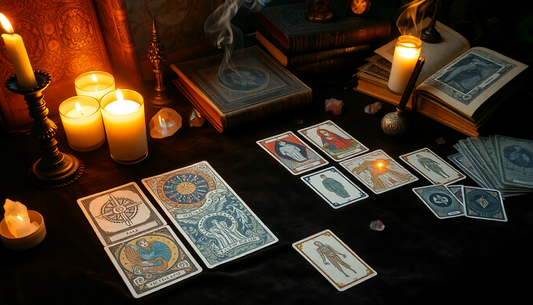
Many practitioners create dedicated spaces where they arrange their mood stones along with other meaningful objects. These crystal altars serve as focal points for intention-setting and spiritual practice. You might include candles, incense, flowers, or other items that enhance the energy of your space.
Cleansing and Charging Your Mood Stones
To maintain the effectiveness of your mood stones, it's important to cleanse and charge them regularly. Over time, stones absorb energy from their environment and from those who handle them. Cleansing removes this accumulated energy, while charging restores the stone's natural vibrational frequency.
Methods for Cleansing Mood Stones
There are several effective methods for cleansing mood stones. Running them under cool, flowing water is one of the simplest approaches. Visualize the water washing away any negative or stagnant energy, leaving the stone pure and clear.
Smudging with sage or other sacred herbs is another popular cleansing method. Pass your stone through the smoke, setting the intention that it be cleansed and restored to its natural state.
Burying stones in the earth for a night or longer allows them to reconnect with the earth's grounding energy. This method is particularly effective for stones that need deep cleansing.
Sound can also cleanse stones. Ring a bell or play singing bowls near your stones, allowing the vibrations to clear away stagnant energy.
Charging Your Mood Stones
Moonlight is one of the most popular methods for charging mood stones. Place your stones in a window where they'll receive moonlight overnight. Full moons are particularly powerful for charging, but any phase of the moon works.
Sunlight can also charge stones, though some sensitive stones may fade with prolonged sun exposure. Research your specific stones to determine if sunlight charging is appropriate.
Intention-setting is another powerful charging method. Hold your stone and clearly state your intention for it. Visualize it glowing with vibrant energy, fully charged and ready to support you.
The Role of Belief and Intention in Mood Stone Effectiveness
The effectiveness of mood stones is significantly influenced by your beliefs and intentions. This isn't a weakness of mood stones but rather a reflection of the profound power of the human mind and consciousness.
The Power of Belief
Belief shapes our reality in measurable ways. When you believe a mood stone will help you feel calmer, your mind begins to interpret sensations differently. You might notice your breathing becoming slower, your muscles relaxing, and your thoughts becoming clearer. These genuine physiological changes occur because your belief has activated your body's natural relaxation response.
This doesn't mean mood stones are ineffective if you're skeptical. Rather, it suggests that approaching them with openness and curiosity enhances their benefits. Even if you're uncertain about their metaphysical properties, you can benefit from the psychological effects of working with them intentionally.
Setting Clear Intentions
The most effective work with mood stones involves setting clear, specific intentions. Rather than vaguely hoping a stone will "help," articulate exactly what you want to achieve. Do you want to feel more confident in social situations? Do you want to attract a loving relationship? Do you want to enhance your creative abilities?
Write your intention down, speak it aloud, and visualize it as already accomplished. This practice engages multiple levels of your consciousness and creates a powerful focal point for the stone's energy.
Consistency and Patience
Working with mood stones is most effective when approached as a consistent practice rather than a one-time experiment. Just as physical exercise requires regular practice to produce results, working with mood stones benefits from ongoing engagement.
Give yourself time to experience the effects. Some people notice immediate shifts in their mood or energy, while others experience more subtle changes over weeks or months. Trust the process and remain patient with yourself.
Scientific Research on Mood Stones and Crystals
While much of the traditional knowledge about mood stones comes from ancient practices and spiritual traditions, modern scientific research is beginning to validate some of these claims. Several studies have examined the effects of cryst